Variability Of Renal Threshold For Glucose

A popular post from 2008:

You’ve just been to the doctor. He found sugar in your urine. But your blood sugars are usually in the 90s fasting, and around 140 mg/dl after meals, at least when you check. And isn’t the renal threshold, or the level of blood glucose above which kidneys fail to reabsorb, and thus spill glucose into urine, often stated as 180 mg/dl?

Might your sugars be going higher without you knowing it?

In addition to home testing, a simple A1C test might indicate that fact.1

However, there’s the possibility you could be spilling glucose at levels below 180 mg/dl. A fair amount of normal variability exists in the renal threshold - both among individuals and within an individual - which makes urine testing not a very dependable tool for detecting a high blood glucose.

Here are a few references I found to that effect:

Tests Of Glycemia In Diabetes, Diabetes Care, 2004

Reasons why the use of urine glucose testing to estimate blood glucose concentrations in diabetes management is undesirable include the following:

  1. Although the renal threshold for glucose in healthy adults corresponds to a plasma glucose concentration of ~180 mg/dl (10 mmol/l), there is wide individual variation. Of particular importance are findings that adults, especially those with long-standing diabetes, may have substantial increases in this threshold, resulting in underestimation of the blood glucose level. Conversely, children and, particularly, pregnant women may have very low or variable renal thresholds, resulting in overestimation of the blood glucose level.
  2. Fluid intake and urine concentration affect urine test results.
  3. The urine glucose value reflects an average level of blood glucose during the interval since the last voiding and not the level at the time of the test.
  4. A negative urine glucose test does not distinguish between hypoglycemia, euglycemia, and mild or moderate hyperglycemia. Thus, urine glucose testing is of limited value in preventing hypoglycemia and hyperglycemia.
  5. Urine glucose testing, which uses a color chart with which the test strip color is compared, is less accurate than capillary blood glucose monitoring, which typically uses a digital readout from a reflectance meter.
  6. Some drugs interfere with urine glucose determinations.
  7. Evaluation of urine dipsticks reveals high imprecision at low glucose concentrations. Manufacturers claim that the test strips are positive if urinary glucose concentrations are 100 mg/dl or greater, but the data indicate this does not always occur.”

Here’s an older study that found pretty wide margins, +/- 150 mg/dl, in estimates of blood glucose from urine glucose…

Validity Of Urine Glucose Measurements For Estimating Plasma Glucose Concentration, Diabetes Care, 1983

Although our observations show a significant correlation (P less than 0.0001) between plasma glucose concentration and urine glucose concentration or urine glucose excretion rate, the wide confidence limits [95% confidence limits (minimum) +/- 150 mg/dl] on plasma glucose concentration estimated from urine glucose measurements limit the clinical applicability of such estimates.

And one that found a mean of 130 mg/dl, much lower than 180 mg/dl, although it was a special population…

The Influence Of Renal Threshold On The Interpretation Of Urine Tests For Glucose In Diabetic Patients, Diabetes Care, 1980

In a group of 65 insulin-dependent diabetic patients there was a wide variation in renal threshold, with a mean of 130 mg/dl (range 54-180 mg/dl). Threshold tended to rise with age, and it is suggested that the higher the renal threshold, the higher is the mean blood glucose achieved by the patient.

And a even older study, but telling …

Renal Threshold For Glucose: Normal And In Diabetics, British Medical Journal, 1940

The study of the renal threshold in diabetics and normals with healthy renal function shows frequent upward and downward deviations from the accepted “normal” figure of some 170 mg. per 100 c.cm.

The conception of a “normal” threshold is false. There is an average renal threshold, just as there is an average blood pressure, and the many deviations from it should be looked upon as physiological — a matter of individual idiosyncrasy, and of no pathological significance.

1 HbA1C or just A1C is an abbreviation for glycosylated hemoglobin, blood levels of which can identify average glucose levels for an individual over approximately 120 days, the life span of a red blood cell.

Vitamin D Supplementation Shows No Improvement In Blood Glucose Control

VitaminD

Researchers from The Netherlands found that vitamin D supplementation at 50,000 IU/month did not improve glycemic control in people with type 2 diabetes:

Effect of Vitamin D Supplementation on Glycemic Control in Patients With Type 2 Diabetes (SUNNY Trial): A Randomized Placebo-Controlled Trial, Diabetes Care, August 2015

OBJECTIVE Low vitamin D status has been associated with impaired glycemic control in patients with type 2 diabetes. The purpose of our study was to evaluate the effect of vitamin D supplementation on glycemic control in patients with type 2 diabetes.

RESEARCH DESIGN AND METHODS This randomized, double-blind, placebo-controlled trial was conducted in 275 adult patients with type 2 diabetes without insulin treatment. Patients were randomly assigned to receive either vitamin D3 (50,000 IU/month) or placebo for 6 months. To assess the primary outcome of the study, change in HbA1c, we performed a linear regression analysis.

RESULTS Mean baseline serum 25-hydroxyvitamin D [25(OH)D] increased from 60.6 ± 23.3 to 101.4 ± 27.6 nmol/L and 59.1 ± 23.2 to 59.8 ± 23.2 nmol/L in the vitamin D and placebo group, respectively. Mean baseline HbA1c was 6.8 ± 0.5% (51 ± 6 mmol/mol) in both groups. After 6 months, no effect was seen on HbA1c (mean difference: β = 0.4 [95% CI −0.6 to 1.5]; P = 0.42) and other indicators of glycemic control (HOMA of insulin resistance, fasting insulin, and glucose) in the entire study population. Subgroup analysis in patients with a serum 25(OH)D 7% (53 mmol/mol) did not differ the results.

CONCLUSIONS In a well-controlled group of patients with type 2 diabetes, intermittent high-dose vitamin D supplementation did not improve glycemic control.

Metformin Found To Act As An Endocrine Disruptor, Feminizing Male Fish

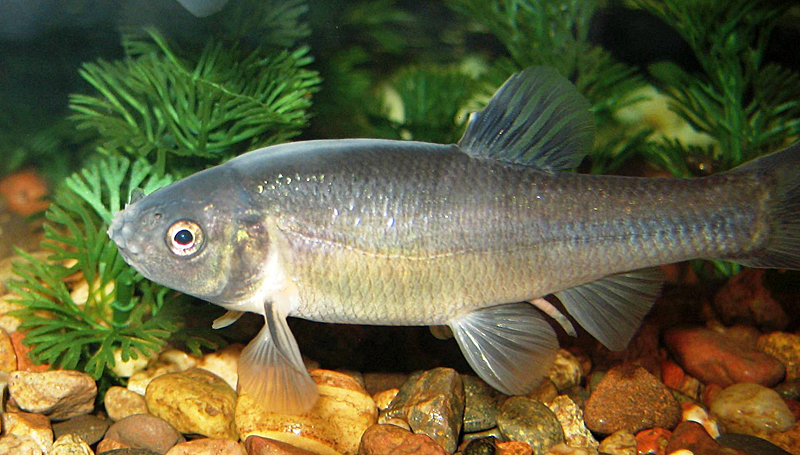
MinnowFatheadMale2
Male fathead minnow

A new study from the University of Wisconsin-Milwaukee found that the diabetes drug metformin affects the reproductive organs of male minnows who are exposed to the drug from wastewater discharge:

Article: Exposure To Widespread Diabetes Drug Feminizes Male Fish, Environmental Health News, 28 April 2015

Study: Emerging Wastewater Contaminant Metformin Causes Intersex And Reduced Fecundity In Fish, Chemosphere, September 2015

Researchers exposed fathead minnows to water containing levels of the diabetes drug metformin commonly found in wastewater effluent. Wastewater effluent is the final product discharged from a wastewater treatment plant into a stream, river, or other waterway. They found that a majority of exposed male fish were feminized:

“Eighty-four percent of 31 metformin-exposed male fish exhibited feminized reproductive organs.

In addition to the feminization, exposed male minnows weighed less and had significantly less babies when they reproduced, suggesting that the feminization may impact their ability to reproduce properly.”

The use of metformin is growing, as is its appearance in the environment:

Increased illnesses means more drugs. Pharmaceutical drugs get into our wastewater when people flush their medication or, more commonly, when they excrete them. Metformin, unlike many pharmaceutical drugs, is not metabolized by the human body, and gets excreted unchanged. … Researchers estimate that, by mass, metformin is among the most common pharmaceutical in wastewater.

The study’s authors described metformin as “a nontraditional endocrine disrupting chemical.” It does not appear on the EPA’s Drinking Water Contaminant Candidate List, published in February of this year, but, they say, probably should.

2015 Dietary Guideline Advisory Committee Recommends Increasing Fiber Intake

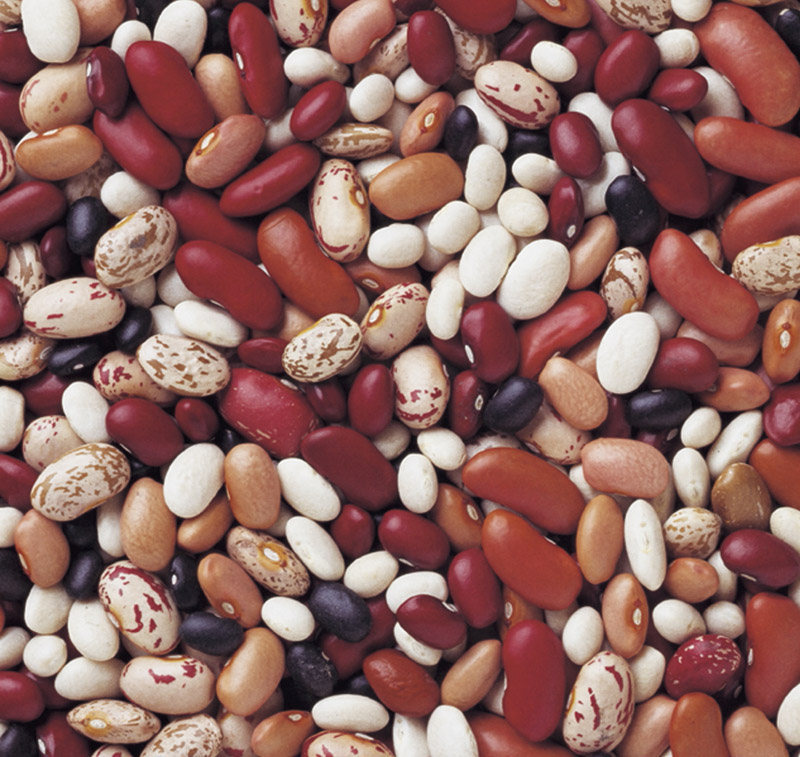
DriedBeans3The Advisory Committee on the 2015 Dietary Guidelines had this to say about fiber:

A growing body of evidence suggests that fiber may play a role in preventing coronary heart disease, colorectal and other cancers, type 2 diabetes, and obesity.

Because the average intake levels of dietary fiber are half the recommended levels, achieving the recommendation requires selecting high-fiber cereals and whole grains and meeting current recommendation for fruits and vegetables.

Fiber is a non-digestible carbohydrate. Only plant foods provide fiber; animal foods contain little to no fiber. Whole grains, beans, legumes, fruits and vegetables are good sources.

Upcoming 2015 Dietary Guidelines May Support Moderate Coffee Consumption

Coffee2015DietaryGuidelines2The Advisory Report to the USDA and HHS on the 2015 Dietary Guidelines gave a thumbs up to moderate coffee consumption, noting that it is associated with a reduced risk for type 2 diabetes:

Strong evidence shows that consumption of coffee within the moderate range (3 to 5 cups per day or up to 400 mg/d caffeine) is not associated with increased long-term health risks among healthy individuals. In fact, consistent evidence indicates that coffee consumption is associated with reduced risk of type 2 diabetes and cardiovascular disease in adults. Moreover, moderate evidence shows a protective association between caffeine intake and risk of Parkinson’s disease.

The authors warn care should be taken to minimize calories from added sugar and dairy or non-dairy fats.

Does Eating Sugar Cause Diabetes?

Joslin’s Dr. C. Ronald Kahn, world-recognized expert in diabetes and obesity research, says that “eating a lot of sugar definitely does not cause diabetes, if you don’t eat so much sugar that you gain weight.”

Transcript:

Narrator: Could eating too much sugar cause diabetes?

Kahn: Eating a lot of sugar definitely does not cause diabetes, if you don’t eat so much sugar that you gain weight.

And in fact, sugar to a certain extent, is okay because it stimulates the pancreas to make more insulin which actually helps control the blood sugar. And so, actually you need a certain amount of carbohydrate in your diet to have your pancreas working normally.

What I always tell people is that, especially if you’re at risk for diabetes, I have people tell me all the time, that I’ve got a family history of diabetes. I watch how much sugar I eat. And I say that that’s not the right focus. The focus for you should be to make sure you keep your weight down, because people who have a family history of diabetes, if they stay thin, have no more risk of diabetes than the general population.

But if they become overweight, then their risk is 10 times higher than in the general population. So you can make a difference ten fold in your risk of diabetes if you’ve got a family history. If you stay thin, it’s good, if you gain weight it’s bad.

Source: Does Eating Sugar Cause Diabetes?, WebMD